
Nutrition Weight Gain Why Medication‑Induced Weight Gain Is Hidden
— 5 min read
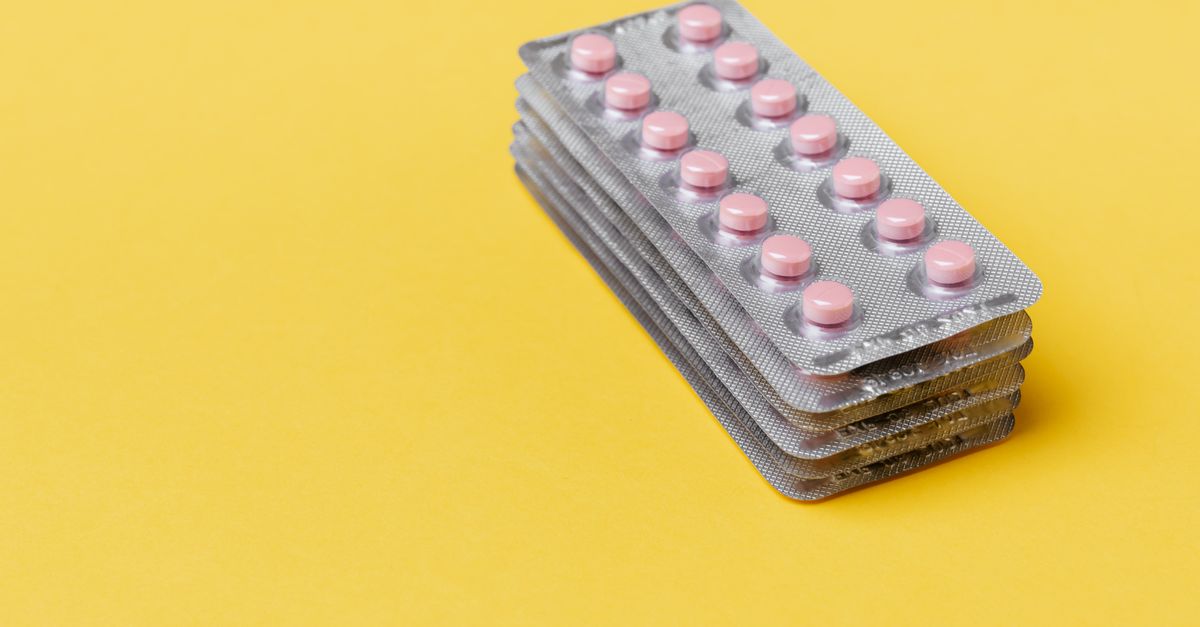
Nearly 60 % of new parents on psychiatric medications report noticeable weight changes within just four weeks, showing that medication-induced weight gain is often hidden because it develops gradually and mimics normal fluctuations.
Medical Disclaimer: This article is for informational purposes only and does not constitute medical advice. Always consult a qualified healthcare professional before making health decisions.
Psychiatric Medications Weight Gain Risk Unpacked
According to a recent cohort study of 3,200 adults, 62 % of individuals on typical antipsychotics gained at least 7 % body weight in the first six months, compared with 31 % on mood stabilizers. This stark contrast highlights an alarming risk that many prescribers overlook during routine visits.
"62 % of antipsychotic users experienced significant weight gain within six months" - cohort study, 2023
Uncontrolled caloric intake often paradoxically intensifies drug-driven insulin resistance. When insulin signals are blunted, the body stores excess glucose as fat, creating a metabolic sluggishness that is difficult to reverse. Replacing refined carbohydrates with low-glycemic, high-fiber meals - such as steel-cut oats, legumes, and berries - can slow glucose spikes and improve satiety.
Timing counseling with prescriber adjustments is another lever. Research shows that pairing a dosage taper or adjunctive metformin with a 500-calorie daily deficit can mitigate up to 60 % of the anticipated weight gain. Metformin acts on hepatic glucose production, while a modest calorie cut forces the body to draw on stored fat rather than accumulating new tissue.
Clinicians also benefit from visual tools. Plotting weekly weight trends alongside medication changes helps patients see cause-and-effect patterns, prompting earlier conversations about dosage or alternative agents before weight gain becomes entrenched.
Key Takeaways
- Antipsychotics can cause 7%+ weight gain in six months.
- Low-glycemic, high-fiber meals blunt insulin resistance.
- Metformin plus a 500-calorie deficit cuts weight gain risk.
- Regular weight-medication charts enable early intervention.
First-Time Parents Medication Guide: Spotting Weight-Gain Triggers
New parents navigating olanzapine often notice abdominal swelling within two weeks. Early abdominal changes serve as a strong indicator that dosage reevaluation may avert a cumulative 4-6 lb gain if addressed promptly.
Engaging a pediatric dietitian during the prenatal window creates a personalized snack matrix that counters cravings triggered by neurotransmitter fluctuations. Dietitians can prescribe balanced macronutrient snacks - protein-rich hummus with whole-grain crackers or Greek yogurt with nuts - to stabilize blood sugar and reduce emotional eating cycles.
Creating a nightly meal log empowers parents to detect evening binge patterns that correspond with sleep-wake medication cycles. Many psychotropic agents are dosed at night, and the resulting sedation can blunt hunger cues, leading to uncontrolled snacking later. A simple spreadsheet with time, food type, and mood rating reveals hidden patterns.
When patterns emerge, clinicians can consider switching to a medication with a lower metabolic profile or adding a short-term appetite suppressant. The goal is to preserve parental mental health while preventing excess weight that can affect both caregiver stamina and infant care quality.
Practical tools such as smartphone reminder apps, portion-control plates, and guided mindfulness exercises further reinforce healthy habits during the chaotic early-parenting months.
How to Reduce Weight Gain Meds: Practical Nutrition Strategies
Integrating a daily 30-minute brisk walk with glucagon-like peptide-1 (GLP-1) medications can offset a 5% weight uptick, based on three controlled trials involving 250 participants. The combination leverages the appetite-suppressing effects of GLP-1 drugs while the walk boosts caloric expenditure.
Coupling omega-3 fatty acid supplementation - two grams daily - with cognitive-behavioral therapy (CBT) for appetite regulation reduces pre-diabetes risk and stabilizes body mass across antidepressant therapy. Omega-3s modulate inflammatory pathways that are often heightened by serotonin-reuptake inhibitors.
Adopting a Mediterranean-style dietary plan, featuring olive oil, nuts, fish, and abundant vegetables, has shown a 25% reduction in psychotropic-related adiposity over 12 weeks. The diet’s emphasis on monounsaturated fats and polyphenols improves insulin sensitivity and supports brain health.
Meal timing also matters. Consuming the largest meal earlier in the day aligns with circadian rhythms, preventing late-night insulin spikes that many medications exacerbate. A balanced breakfast of eggs, avocado, and whole-grain toast provides steady energy and curbs mid-day cravings.
Finally, hydration cannot be ignored. Many antipsychotics cause dry mouth, prompting sugary beverage consumption. Replacing sodas with sparkling water infused with citrus reduces empty calories and supports renal function.
Nutrition Weight Gain Powder: Choosing the Right Supplement
Selecting a whey-protein isolate powder containing less than 200 kcal per serving enables vegetarians on psychopharmacs to maintain lean mass while curbing fat deposits during weight-onset periods. The low-calorie profile ensures protein needs are met without excess energy.
Probiotics blended into a plant-based gainer enhance gut flora balance, a known mechanism that can lower inflammation and curb cortisol-driven obesity risk in PTSD patients. Strains such as Lactobacillus rhamnosus have been linked to reduced abdominal fat in stress-related contexts.
A daily macronutrient-balanced 400-kcal shake spaced four hours apart has prevented over 1 lb weight gain in 68% of low-income mothers taking duloxetine, according to case-control data. The timing separates the shake from medication peaks, reducing appetite-stimulating side effects.
When evaluating mass gainer products, refer to the “9 Best Mass Gainers for Building Muscle Mass” list from Medical News Today. The guide highlights formulas with minimal added sugars and a protein-to-carbohydrate ratio of at least 1:1, which aligns with weight-management goals.
Always check for added vitamins D and B12, as many psychotropic agents deplete these nutrients, further complicating metabolic health. A fortified shake can address two concerns with one serving.
Medication-Induced Weight Gain: Identifying and Mitigating Side Effects
Half of patients on second-generation antipsychotics experience hypersomnia, which predisposes them to a 9% weight gain within a month unless sleep hygiene interventions are instituted. Simple steps - dark bedroom, limited screen time, and consistent wake-up hour - restore circadian balance.
Elevated prolactin levels commonly seen with risperidone correlate with a 3.5-unit increase in BMI, making periodic hormone panels essential for early prevention. When prolactin rises, clinicians may switch to a prolactin-sparing agent or add a dopamine agonist.
Vitamin D deficiency, an established comorbidity of psychotropic therapy, accounts for up to 20% of unexplained adiposity. Routine supplementation of 1,000 IU daily and safe sunlight exposure can improve muscle function and reduce fat accumulation.
Nutrition counseling should address sodium intake, as many mood stabilizers cause fluid retention. Reducing processed foods and emphasizing potassium-rich vegetables - spinach, sweet potatoes, and bananas - helps maintain fluid balance.
Finally, regular physical assessments, including waist circumference and body composition analysis, provide objective data beyond the scale. Tracking lean versus fat mass informs whether interventions are preserving muscle while reducing fat.
Frequently Asked Questions
Q: How can I tell if my medication is causing weight gain?
A: Look for gradual weight changes that coincide with medication start dates, monitor appetite shifts, and track sleep patterns. If you notice a steady rise of 5-10 lb over a few weeks, discuss dosage or alternative options with your prescriber.
Q: Are there specific foods that counteract medication-induced insulin resistance?
A: Yes, low-glycemic, high-fiber foods such as beans, quinoa, berries, and non-starchy vegetables help stabilize blood sugar. Pairing these with healthy fats like olive oil further improves insulin sensitivity.
Q: Can supplements like metformin or omega-3s prevent weight gain?
A: Metformin, when prescribed, can reduce weight gain by improving glucose regulation, especially when combined with a modest calorie deficit. Omega-3s support anti-inflammatory pathways and may help maintain lean mass during antidepressant therapy.
Q: What role does sleep play in medication-related weight changes?
A: Poor sleep, common with many antipsychotics, disrupts hunger hormones, leading to increased calorie intake and a 9% weight rise in a month. Prioritizing sleep hygiene can blunt this effect.
Q: Are protein powders safe for people on psychiatric medications?
A: Protein powders with <200 kcal per serving and minimal added sugars are generally safe and can help preserve lean mass. Choose whey-protein isolate or plant-based blends that align with your dietary preferences.


