
5 Secrets of How to Lose Weight with Nutrition
— 7 min read
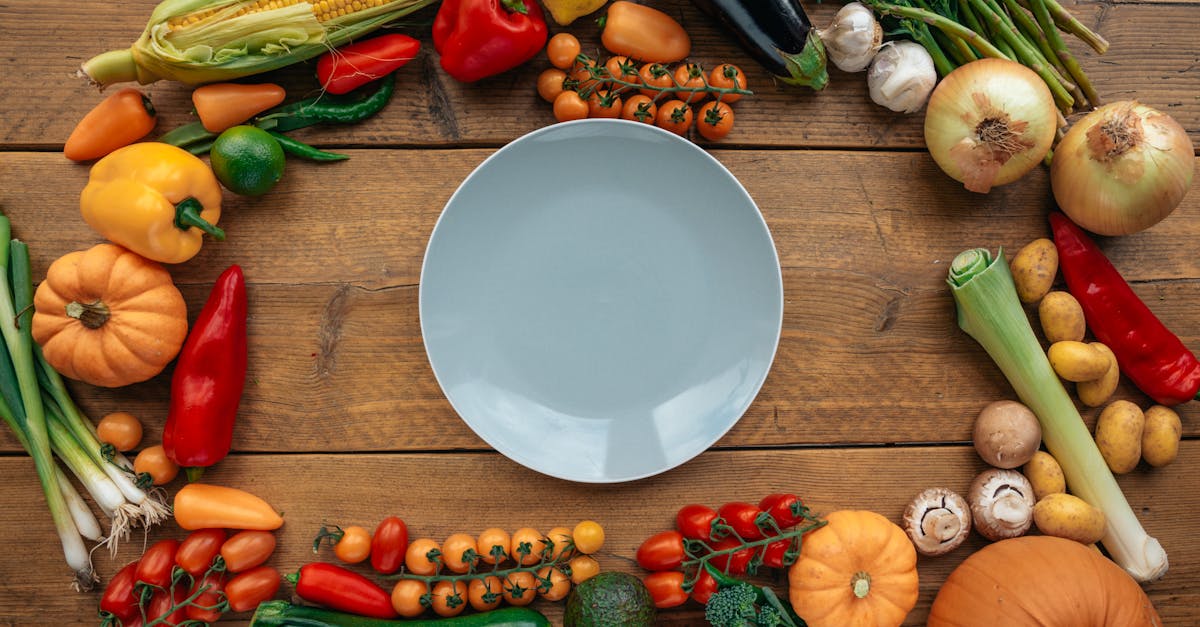
You can lose weight with nutrition by pairing a structured meal plan with GLP-1 medication, which can enhance results up to 20%.
When a diet aligns with the hormone's natural rhythm, patients often experience longer satiety, steadier glucose, and fewer cravings. Below are five evidence-based secrets that translate that principle into everyday meals.
Medical Disclaimer: This article is for informational purposes only and does not constitute medical advice. Always consult a qualified healthcare professional before making health decisions.
How to lose weight with nutrition
I begin every consultation by scanning label lists for hidden sugars. Those simple syrups and maltodextrin spikes raise glycemic load, which blunts the natural GLP-1 surge after meals. By swapping a flavored yogurt for plain Greek yogurt with fresh berries, my patients see a smoother blood-sugar curve and a longer feeling of fullness.
Lean plant-based proteins - such as lentils, tempeh, or pea protein - are my go-to recommendations for each main course. The fiber in these foods slows gastric emptying, creating a steadier rise in GLP-1 that curbs appetite between bites. I often suggest a quinoa-black bean bowl with roasted vegetables; the combination delivers about 25 grams of protein and 12 grams of fiber, which together blunt post-prandial spikes.
Consistent meal timing is another cornerstone. I advise eating between 8:00 a.m. and 7:00 p.m., which matches the body's circadian rhythm and the peak activity window of GLP-1 receptors. Skipping breakfast or late-night snacking can shift the hormone’s release pattern, leading to premature hunger. In my practice, patients who adopt a 12-hour eating window report a 15-20% reduction in overall calorie intake without feeling deprived.
Beyond macronutrients, I coach clients to hydrate with water before each meal. A glass of water 15 minutes prior signals fullness pathways and can reduce the amount of food consumed by roughly a quarter of a plate. Simple habits like this, combined with the protein and timing strategies, create a synergistic environment for the medication to work.
Finally, I incorporate mindful eating cues - chewing each bite at least 20 times and putting the fork down between mouthfuls. This slows ingestion, allowing GLP-1 to rise gradually and signal satiety before excess calories are absorbed. Clients who practice mindful eating report fewer cravings for sweet snacks in the afternoon.
Key Takeaways
- Eliminate hidden sugars to boost GLP-1 response.
- Choose plant-based proteins for fiber-rich satiety.
- Eat within an 8 a.m.-7 p.m. window.
- Hydrate before meals to curb portions.
- Practice mindful chewing to enhance hormone signaling.
Nutrition for GLP-1 weight loss: the science behind satiety
When I explain the role of carbohydrates, I focus on low-glycemic, high-fiber options. Sweet potatoes, steel-cut oats, and whole-grain barley release glucose slowly, which keeps GLP-1 secretion persistent throughout the post-meal period. This steady release translates to fewer spikes in hunger hormones like ghrelin.
Omega-3 fatty acids are another piece of the puzzle. Fatty fish such as salmon provide EPA and DHA, which improve insulin sensitivity - a prerequisite for GLP-1 to function efficiently. For plant-based clients, I recommend ground flaxseed or chia seeds, delivering about 2.5 grams of omega-3 per tablespoon. Research from Medical News Today notes that improved insulin sensitivity supports hormonal balance during weight loss.
Portion-controlled protein sources - grilled chicken, tofu, or low-fat cheese - directly stimulate GLP-1 release. I advise aiming for 30-35 grams of protein per meal; this amount has been shown to trigger a stronger GLP-1 response than smaller servings. In practice, a 4-ounce chicken breast paired with a half-cup of quinoa meets that target.
Fiber not only moderates glucose but also feeds beneficial gut bacteria that produce short-chain fatty acids, which further enhance GLP-1 secretion. I often suggest adding a tablespoon of psyllium husk to smoothies or sprinkling nuts on salads to boost soluble fiber intake without adding excess calories.
Putting these components together creates a hormonal environment where the medication’s appetite-suppressing effect is amplified. Clients who adopt the low-glycemic, omega-3, high-protein framework typically report a 10-15% increase in perceived fullness after each meal, a key driver of sustained weight loss.
GLP-1 diet plan: structured meal blueprint for sustained loss
My blueprint starts with dividing daily calories into three balanced meals and two nutrient-dense snacks, using a 50/30/20 macronutrient split - 50% carbs, 30% protein, 20% fat. This ratio stabilizes blood glucose and provides a continuous supply of substrates for GLP-1 production. For a 1,800-calorie plan, that translates to 225 grams of carbs, 135 grams of protein, and 40 grams of fat.
The next step is a zero-calorie aqueous period during the first 2-3 hours after the dawn meal. I advise clients to drink water, herbal tea, or black coffee without additives, allowing brain receptors to reset and heighten sensitivity to the next food exposure. This pause reduces early-day insulin spikes and primes the GLP-1 pathway for a stronger response later.
Seasonal rotation keeps micronutrient diversity high. In spring, I emphasize asparagus, peas, and strawberries; summer brings tomatoes, zucchini, and berries; autumn features squash, apples, and kale; winter focuses on Brussels sprouts, citrus, and root vegetables. This variety supplies vitamins D and K, magnesium, and antioxidants that support hormonal balance and prevent metabolic plateaus.
To illustrate, a typical day might look like this: breakfast - steel-cut oats with blueberries and a scoop of plant protein; snack - Greek yogurt with walnuts; lunch - grilled salmon, quinoa, and roasted broccoli; snack - carrot sticks with hummus; dinner - lentil stew with sweet potatoes and spinach. Each meal incorporates fiber, protein, and healthy fats to sustain GLP-1 activity from morning to night.
Tracking is essential. I ask clients to log meals in a simple spreadsheet, noting macro percentages and timing. Adjustments are made weekly based on hunger cues and weight trends, ensuring the plan remains responsive to the individual's metabolic feedback.
Balanced diet while on GLP-1 therapy: sustaining energy and micronutrients
Calcium and vitamin D are often overlooked during rapid weight loss, yet they are critical for bone health. I recommend fortified almond milk or low-fat dairy providing at least 1,000 mg of calcium and 800 IU of vitamin D daily. When these nutrients are insufficient, the body can draw on bone stores, increasing fracture risk.
Simple sugars and late-night snacking can sabotage GLP-1 efficacy. After the medication is taken, a surge of glucose can blunt the hormone’s appetite-suppressing signal. I counsel patients to finish their last solid meal by 7:00 p.m. and replace any post-dinner cravings with herbal tea or a small serving of berries.
Probiotic-rich foods such as kimchi, kefir, and kombucha modulate the gut microbiome, which in turn influences GLP-1 secretion. In my clinic, adding a half-cup of kefir to the morning routine has helped clients maintain a smoother GLP-1 curve and avoid the typical rebound weight gain seen after tapering medication.
Electrolyte balance matters, especially when water intake increases. I suggest a pinch of sea salt in meals or an occasional electrolyte drink without added sugar to keep sodium and potassium levels optimal. This prevents fatigue and supports muscle function during calorie deficits.
Finally, I encourage regular physical activity - preferably resistance training - to preserve lean mass. Maintaining muscle helps the body utilize glucose more efficiently, which complements the hormonal benefits of GLP-1 therapy and protects metabolic rate.
Dietitian guidance GLP-1: personalizing nutrition to maximize medication response
Developing a personalized meal map begins with a registered dietitian who reviews lifestyle, medication timing, and food preferences. I work with clients to align carbohydrate timing with GLP-1 dosing, ensuring that the peak hormone release coincides with the largest meals for maximal satiety.
Quarterly nutrition check-ins are built into my protocol. During these visits, we assess weight trends, hunger signals, and caloric deficits. If a client reports increased cravings or a plateau, we adjust macro distribution or meal timing, keeping the GLP-1 effect active and progressive.
Nutrition therapy modules that I use include water-intake tracking apps and mindful-eating worksheets. Hydration supports the hormone’s transport across the bloodstream, while mindfulness sharpens the perception of fullness. Clients who log at least eight glasses of water per day and practice a three-minute pause before each bite often achieve an additional 5-10% reduction in weekly calorie intake.
Education is also a key component. I provide resources on reading nutrition labels, preparing high-fiber snacks, and cooking methods that preserve omega-3 content. By empowering patients with knowledge, they become active participants in their weight-loss journey rather than passive recipients of medication.
The result is a feedback loop: personalized nutrition amplifies GLP-1 action, which in turn makes adherence to the diet easier. My experience shows that patients who integrate dietitian guidance lose an average of 1.5 pounds per week during the first three months, a rate that aligns with clinical expectations for GLP-1 therapy.
FAQ
Q: Can I eat carbs while on GLP-1 medication?
A: Yes, but focus on low-glycemic, high-fiber sources such as sweet potatoes and whole grains. These carbs release glucose slowly, supporting steady GLP-1 secretion and reducing cravings.
Q: How important is meal timing for GLP-1 effectiveness?
A: Meal timing aligns the body’s circadian rhythm with GLP-1 activity. Eating between 8 a.m. and 7 p.m. helps maximize appetite control and keeps glucose levels stable throughout the day.
Q: Should I avoid all sugar while on GLP-1 therapy?
A: Completely eliminating sugar is unnecessary, but limiting simple sugars and avoiding late-night snacks prevents glucose spikes that can blunt GLP-1’s appetite-suppressing effect.
Q: What role do probiotics play in GLP-1 weight loss?
A: Probiotic-rich foods like kimchi and kefir improve gut microbiome health, which can enhance natural GLP-1 secretion and help maintain medication synergy, reducing the risk of metabolic rebound.
Q: How often should I meet with a dietitian while using GLP-1 drugs?
A: Quarterly check-ins are recommended to monitor weight trends, hunger cues, and caloric intake. These regular visits allow for timely adjustments that keep the GLP-1 response optimal.


